
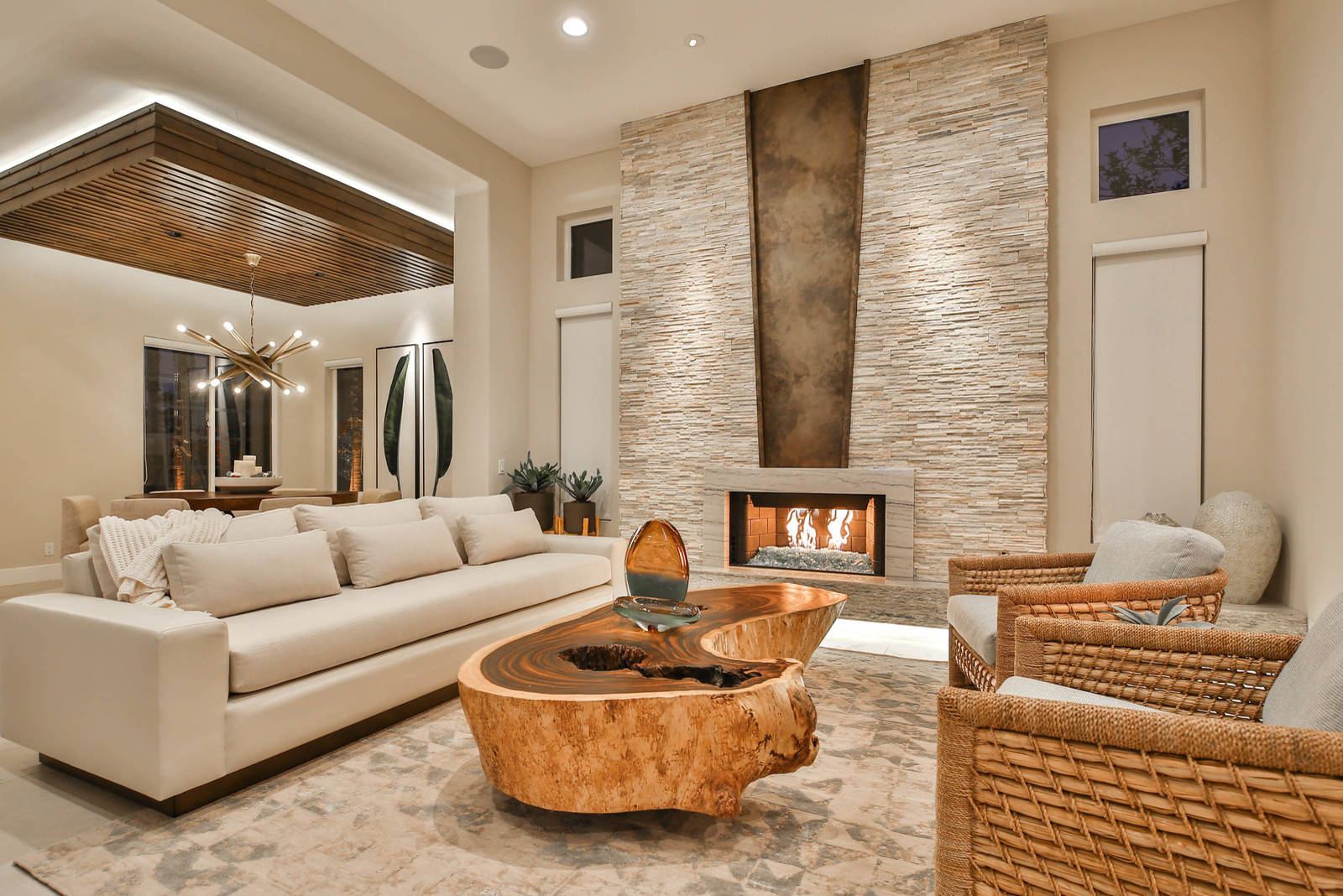
The natural stone known as travertine has long been celebrated for its beauty, versatility and timeless appeal. In this article we will take a comprehensive look at what travertine is, how it forms, its properties, its applications in architecture and design, key advantages and drawbacks, care and maintenance, selection guidelines and emerging trends. Whether you are a homeowner, designer or architect, you’ll gain a deep appreciation for why travertine remains a favourite material and how to make the most of it.
What is Travertine?
Travertine is a variety of limestone composed chiefly of calcium carbonate (CaCO₃). The name itself comes from Italian travertino, referring to stone from Tivoli near Rome.
The rock is formed when mineral-rich waters—often from hot springs or groundwater emerging at the surface—deposit calcium carbonate as they lose carbon dioxide or evaporate. The process leaves behind a stone with a characteristic porous texture and subtle layering or “banding”.
One key visual feature of travertine is its natural voids or pits—tiny cavities caused by trapped gases or organic matter during formation. These are sometimes filled during processing, or kept exposed for character.
In short, travertine is a natural material that marries geological history with aesthetic appeal. Its unique formation gives it both character and functional properties which we will explore further.
Formation and Geological Background
To appreciate travertine fully it helps to understand how it forms. In areas where mineral springs emerge, particularly in regions associated with volcanic or geothermal activity, water rich in dissolved calcium carbonate reaches the surface. As the water discharges and carbon dioxide escapes or evaporation occurs, calcium carbonate precipitates, forming layers of limestone over time.
In places like the quarries near Tivoli, Italy, travertine deposits several meters thick were created by springs over millennia. Because of its formation process, travertine often shows fibrous or concentric patterns and distinct textures.
From a geological standpoint, travertine is interesting because it can tell us about past spring activity, climate conditions and chemistry of water systems. But for architects and designers the key takeaway is the stone’s visual and technical qualities: natural voids, layered effects, colour variation, and a warm organic feel.
Properties and Technical Characteristics
Composition and Appearance
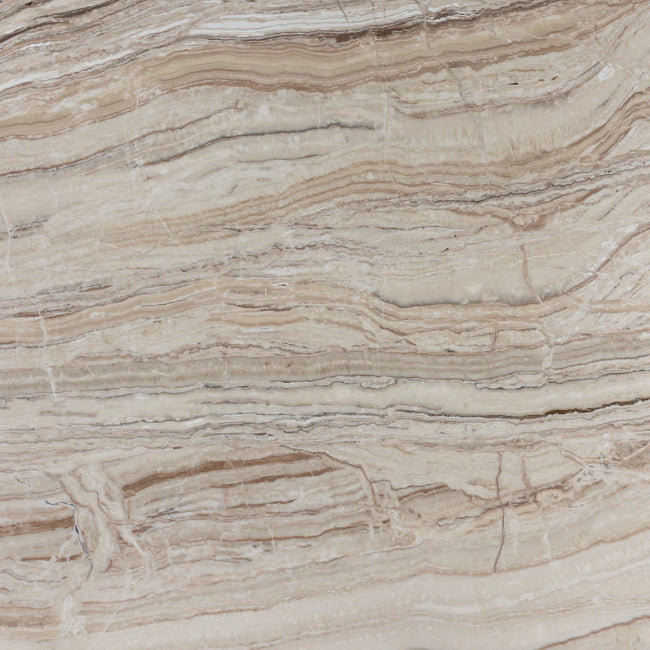
Travertine is predominantly calcium carbonate, but the presence of other minerals such as iron, clay and magnesium can influence its colour and texture. Its colour palette ranges from creamy whites and beiges through to golds, browns, rust-colours and even silver or red hues depending on the quarry.
Visually, travertine often displays subtle striations or banding which speak to its sedimentary origin. The natural pits or holes add texture and character. Some designers choose to keep those visible; others prefer them filled for a smoother finish.
Physical and Mechanical Properties
- Density: Typical of travertine is a density ranging about 2.3 to 2.7 g/cm³.
- Porosity: Travertine is relatively porous compared to some other natural stones. The voids contribute to its texture but also impact water absorption.
- Hardness: On the Mohs scale the hardness is moderate—somewhere around 3 to 4. This means it is durable but less resistant than harder stones like granite.
- Thermal and acoustic properties: The porous nature provides a modest degree of insulation (both thermal and acoustic) and in outdoor settings the stone can remain cool underfoot.
Because of its formation and structure, travertine offers several functional benefits:
- The natural holes provide good adhesion when setting the stone with mortar, enhancing bonding and stability.
- For outdoor use in hot climates, travertine tends to remain cooler underfoot than many other paving stones.
- Its natural aesthetics—earthy warmth, textural depth, variation—makes it versatile for many design applications.
Limitations to Note
However, there are trade-offs:
- The porosity means travertine can absorb water and stains unless sealed properly.
- Because it is somewhat softer than harder stones it may scratch or etch under heavy use or exposure to acidic substances.
- Colour and pattern variation is significant—if you seek uniformity you may find it challenging.
Understanding these properties helps in deciding where and how travertine should be used, how to install it, protect it, and maintain it for long life.
Common Applications in Architecture and Design
Travertine has been used for thousands of years in architecture, and its appeal remains very much alive today. Here are some of the most common applications and how to tailor its use effectively.
Flooring
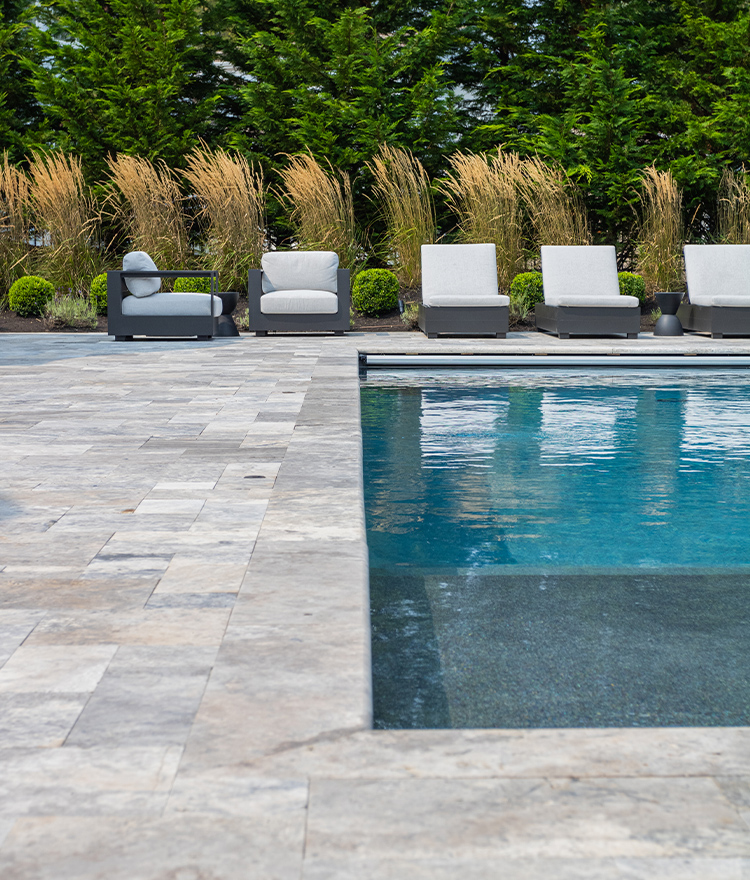
One of the most popular uses is flooring—both indoor and outdoor. The warmth of travertine tones creates inviting spaces, while finishes such as honed or tumbled provide textured surfaces that are comfortable underfoot. For indoor spaces like living rooms, hallways or kitchens, a polished or honed finish can lend elegance. For outdoor patios or pool surrounds, a tumbled or non-polished finish gives better slip resistance.
Walls, Cladding and Facades
Travertine is also popular for wall cladding, facades, stair risers and other vertical surfaces. Its natural veining and warm tones can add depth and richness to both modern and traditional architecture. As one source notes, travertine’s versatility allows it to work in classic or contemporary contexts.
Bathrooms, Showers and Pool Areas
Because travertine remains cool underfoot and handles temperature variations well, it works elegantly in bathrooms, showers and pool decks. It gives a spa-like feel when used in bathrooms—with warm tones and natural textures creating a sense of calm and luxury. For pool decks the key is to choose finishes that minimise slipperiness and to seal appropriately.
Tables, Furniture and Decorative Accents
Beyond flooring and cladding travertine is increasingly used for furniture pieces like coffee tables, side tables, cabinets and even custom-made elements. Its texture, veining and neutral palette make it a favourite for designers who want natural elegance in smaller scale features.
Historical and Iconic Uses
Historically, travertine was used extensively by the Romans. It featured in temples, bath complexes, amphitheatres and major public buildings. (Wikipedia) Knowing that heritage can add to the sense of value when choosing travertine for a project.
Advantages and Drawbacks: A Balanced View
Advantages
- Timeless natural beauty – Travertine offers warm, earthy tones and an organic texture that works with many design schemes
- Versatility – Available in a wide variety of finishes (polished, honed, tumbled, brushed) and colours, making it adaptable to many design styles.
- Comfort underfoot in warm climates – Its ability to stay cooler is a real benefit for outdoor spaces in hot regions.
- Natural character and value – Its use can elevate the perception of quality in a home or commercial property. Drawbacks
- Porosity and maintenance needs – Without sealing, travertine can absorb liquids, stain and deteriorate more easily.
- Colour and pattern variation – Natural variation can lead to inconsistent appearance unless carefully planned.
- Not as hard as some other stones – It is reasonably durable but more susceptible to scratching or etching than harder natural stones.
- Finish-related slip risk – A highly polished finish can become slippery, particularly in wet areas, unless one opts for a textured or honed surface.
When selecting travertine it is wise to weigh these pros and cons in relation to the project environment, expected traffic, maintenance willingness and aesthetic goals.
Selecting and Installing Travertine: Guidelines for Success
Here are some practical pointers to ensure you make the most of travertine in your project.
Choose the Right Finish for the Environment
- For indoor spaces such as living rooms or hallways a polished or honed finish will give an elegant appearance.
- For outdoor patios, pool surrounds or high-moisture zones, choose a honed, tumbled or brushed finish to improve slip resistance and durability.
- Confirm whether the stone has been filled (voids filled with resin or other material) or left natural—this affects cost, appearance and maintenance.
Match Colour and Variation with Design Intent
Travertine offers a wealth of colour variation. If you desire uniformity, inspect the batch and ensure slabs are sorted to match. If you welcome variation, embrace the natural patterns and textures—they bring character.
Always consider sample pieces in the intended lighting conditions, as natural stone can appear different under different light.
Ensure Proper Substrate and Installation
Because travertine is heavier than many tile products and has its own peculiarities (voids, irregularities, natural texture) it is important to have a strong and stable substrate. Adhesive or mortar suitable for natural stone must be used.
In the case of outdoor or pool deck installation allowance for movement, drainage, expansion joints and slip resistance all matter.
Seal and Maintain
Sealing travertine is not optional if you want long-term performance. The sealing helps reduce water and stain absorption. Re-sealing typically every 1–2 years (or per manufacturer’s guidelines) is wise for high-use areas.
For cleaning use neutral pH products suited for natural stone. Avoid acidic cleaners (vinegar etc) which can etch or dull the surface.
Repair and Renewal
Over time some wear is inevitable. For example, if the pits and voids on the surface become filled with dirt or debris, cleaning and restoration may be required. In extreme cases, individual panels may be replaced. Monitoring grout joints, expansion movement and substrate condition helps longevity.
From reading owner feedback:
“Travertine is very porous and almost always is either filled prior to install or when installed… a floor that requires periodic maintenance.”
Travertine in the Context of Design and Trends
Natural stone is enjoying renewed interest as designers and homeowners increasingly value authenticity, texture and timeless materials. Travertine offers a different aesthetic to marble or porcelain by combining natural warmth, subtle variation and a quieter luxury. For example one design publication noted:
“Travertine feels softer and more understated… it has the same sense of luxury but with a more relaxed character.”
Some emerging design trends involving travertine include:
- Using large-format travertine slabs for seamless, minimal-joint surfaces.
- Mixing travertine with other natural materials such as timber, linen, concrete or bronze to create layered, tactile interiors.
- Using travertine in furniture pieces or sculptural elements (e.g., centrepieces, kitchens islands, bespoke tables) rather than just flooring or walls.
- Embracing more textured, honed or tumbled finishes rather than only highly polished stone, to create relaxed spa-like environments.
- In sustainability-driven projects, choosing travertine quarried responsibly, processed with low-impact methods, and emphasizing its natural, renewable qualities.
In short, travertine is no longer just a “classic” option but a dynamic material that sits well in contemporary contexts too.
Where Travertine Works Best — and Where to Be Cautious
Best Fit Situations
- Elegant residential interiors where a natural stone aesthetic is desired and moderate traffic.
- Pool surrounds or outdoor patios in warm climates where cool-underfoot properties are desirable.
- Vertical use such as feature walls, fireplaces, façades where the rich texture can be a focal point.
- Boutique commercial settings (lobbies, wellness spas, boutique hotels) where material quality matters.
Situations to Evaluate Carefully
- High-traffic industrial or commercial flooring where heavy abrasion is likely and a harder stone may be more suitable.
- Areas exposed to freezing and thawing, unless proper installation and freeze-thaw rated travertine is chosen (some sources caution about travertine’s vulnerability in cold conditions).
- Places where maintenance may be neglected or sealing overlooked, leading to staining or deterioration over time.
- Environments requiring ultra-uniform colour and pattern; travertine’s natural variation may not suit ultra-controlled aesthetics unless carefully selected and matched.
Cost Considerations and Value
Travertine falls in the mid-to-high price range among natural stones. The cost depends on quarry origin, finish, thickness, size of slabs, and whether the stone has been filled or unfilled. Installation costs can also be higher compared to ceramic or porcelain tile because of the stone’s weight and installation demands. For example, one flooring review noted that travertine requires professional tools, strong substrate, and is not always a DIY job.
On the value side, using travertine can enhance the perception of quality in a property and may support resale value. The key is that the stone is installed properly and maintained; otherwise problems from staining or wear can negatively affect results.
Care and Maintenance Tips
Here are practical maintenance tips to keep travertine looking its best:
- Upon installation completely seal the stone and ensure the installer uses compatible grout, mortar and expansion joints.
- Clean regularly using pH-neutral stone cleaners. Avoid acids, harsh chemicals, bleach or ammonia, which can damage stone or degrade sealers.
- Wipe up spills promptly, especially those containing acidic components like wine, citrus or vinegar, which can etch the surface.
- Re-seal periodically (generally every 1–2 years, but check product and usage).
- For outdoor use, ensure good drainage, avoid standing water, inspect for freeze‐thaw damage (if relevant) and clean off debris to prevent staining.
- For textured finishes with pits and holes: cleaning should include removing embedded dirt from voids, and if necessary refilling or resealing the surface over time.
- When wear or scratches appear, consult a stone restoration professional; minor polishing, honing or refilling may restore appearance.
Summary and Final Thoughts
Travertine is a naturally formed, elegant stone with a rich heritage and a versatile future. Its warm earth-tones, textural depth and design flexibility make it an outstanding choice for both interior and exterior applications. While it demands a bit more care than some harder stones, when chosen wisely, installed professionally and maintained well, travertine can deliver decades of luxurious and character-rich service.
For anyone embarking on a design project, travertine offers a unique combination of natural beauty, architectural gravitas and tactile appeal. Whether used for a serene bathroom, a sun-drenched patio, a dramatic accent wall or a bespoke furniture piece, travertine brings authenticity, permanence and understated elegance.
If you are considering travertine for your space I encourage you to visit a supplier, handle sample slabs in person, view them under your lighting conditions, ask about finish options and resin/void-filling, confirm installation details and understand maintenance expectations. That way you’ll make an informed choice and the result will be a surface that not only looks beautiful today but ages gracefully over time.
Travertine is more than a stone. It is nature’s story captured in material form, available for you to bring into your home or project—and done right it becomes a timeless foundation for design.
