
Polish food has undergone an extraordinary transformation in recent decades. Once known primarily for hearty dishes rooted in rural traditions, Poland’s cuisine is now stepping confidently onto the global culinary stage. In cities like Warsaw, Kraków, and Gdańsk, chefs are reimagining old recipes with contemporary flair. Across the country, farmers, artisans, and restaurateurs are reclaiming local ingredients, while international influences blend seamlessly with age-old flavors. Modern Polish cuisine is no longer a nostalgic reflection of the past; it is a living, evolving art form that celebrates heritage while embracing creativity and sustainability.
In this article, we explore how Poland’s food scene has evolved, who is leading the change, which ingredients and techniques define the movement, and why modern Polish cuisine is attracting both locals and international food lovers.
A Culinary Revival Born from History
To understand today’s modern Polish food, it helps to know where it came from. For centuries, Poland’s cuisine reflected its agrarian roots and the country’s diverse cultural influences. The royal courts of the Polish–Lithuanian Commonwealth embraced flavors from Italy, France, and the East. Later, regional dishes evolved based on local ingredients such as rye, potatoes, cabbage, and mushrooms.
However, after the hardships of the twentieth century and decades of communist rule, Poland’s food culture grew modest and utilitarian. Restaurants focused on affordability and simplicity rather than creativity. But after 1989, when the country opened to global influences and entrepreneurship, a new generation of chefs emerged. They began to reinterpret their grandparents’ recipes through the lens of fine dining and modern gastronomy.
Today’s Polish chefs do not reject tradition. They honor it while reworking it with lighter techniques, seasonal produce, and aesthetic presentation. The result is cuisine that is deeply Polish in soul yet global in spirit.
Defining Modern Polish Cuisine
So what exactly defines modern Polish food? It is not a single style but rather a philosophy that blends local heritage with innovation. The focus lies on quality ingredients, regional authenticity, sustainability, and creative interpretation.
-
Locally Sourced Ingredients – Chefs increasingly work directly with farmers, cheesemakers, and foragers. Poland’s forests, rivers, and fertile plains offer a wealth of natural produce. Wild mushrooms, freshwater fish, smoked cheeses, and forest berries remain staples, but they are now prepared with refined techniques and global inspiration.
-
Seasonality – Traditional Polish cuisine was always seasonal out of necessity. Modern chefs have turned that into an art form, creating dynamic menus that change with the rhythm of nature.
-
Visual Presentation – Instead of rustic platters piled high with food, today’s dishes are artfully plated. Minimalist design, edible flowers, and subtle textures turn each plate into a visual story.
-
Innovation through Technique – Sous-vide cooking, fermentation, and molecular gastronomy have found their way into Polish kitchens. Yet the essence remains familiar. Pierogi may be filled with duck confit and plum reduction; żurek might arrive as an elegant foam or deconstructed broth.
-
Respect for Tradition – While innovation drives the movement, respect for heritage grounds it. Modern Polish cuisine never forgets its roots in dishes like bigos (hunter’s stew), barszcz (beet soup), or gołąbki (stuffed cabbage rolls). Instead, it elevates them for a new generation.
The Chefs Redefining Polish Food
Poland’s culinary renaissance owes much to a handful of visionary chefs who have placed the country on the gastronomic map.
Aleksander Baron, once the head chef of Solec 44 in Warsaw, became known for his daring use of fermentation and ancient preservation methods. His work bridges the gap between ancestral techniques and modern dining, bringing forgotten flavors to life.
Wojciech Modest Amaro, the celebrated chef behind Atelier Amaro in Warsaw, was the first in Poland to earn a Michelin star. His concept of “moments” instead of courses redefined fine dining in Poland. Amaro’s cooking expresses the connection between time, place, and nature. His dishes might include sturgeon with birch sap or venison with spruce and blueberries.
Malika Szyc-Juchnowicz, one of Poland’s most dynamic female chefs, has brought international influences to Gdynia, blending North African spices with local Polish ingredients. Her restaurant inspires a fresh approach to Polish fusion cuisine.
Other rising talents include Adrian Feliks, Maciej Nowicki, and Tomasz Leśniak, all of whom share a commitment to sustainability, artistry, and cultural storytelling through food.
Poland’s New Dining Landscape
Walk through any major Polish city today and you will find a vibrant and diverse food scene. Restaurants, food halls, and cafes reflect the changing tastes of a generation that is proud of its roots yet open to global ideas.
Warsaw: The Epicenter of Polish Culinary Innovation
Warsaw has become Poland’s gastronomic capital. From Michelin-recommended fine dining to creative bistros, the city reflects the full spectrum of modern Polish cuisine.
Atelier Amaro remains an icon of experimental dining, while Bez Gwiazdek (meaning “without stars”) offers regional tasting menus inspired by Poland’s provinces. Chef Robert Trzópek’s restaurant Nolita combines French technique with Polish ingredients.
Meanwhile, Hala Koszyki and Hala Gwardii, two restored food markets, offer a more casual way to experience Poland’s modern food culture. Visitors can sample everything from artisan pierogi to plant-based takes on Polish classics.
Kraków: Tradition with a Contemporary Twist
In Kraków, where history fills every cobblestone street, modern Polish food finds inspiration in nostalgia. Restaurants like Szara Gęś and Pod Nosem reinterpret traditional dishes with contemporary finesse. The city’s growing vegan and vegetarian scene also reflects Poland’s changing lifestyle habits.
Gdańsk and the Baltic Coast
The northern coast has embraced seafood and Nordic influences. Gdańsk’s coastal restaurants highlight herring, cod, and mussels prepared with modern Scandinavian techniques. Baltic herbs, sea buckthorn, and rye bread often feature in these innovative menus.
Smaller Cities and Hidden Gems
Beyond the major cities, culinary creativity is flourishing in smaller towns. In Wrocław, Poznań, and Lublin, young chefs open intimate bistros that celebrate local produce and contemporary aesthetics. This decentralization reflects the democratization of good food across Poland.
Fusion and the Global Influence
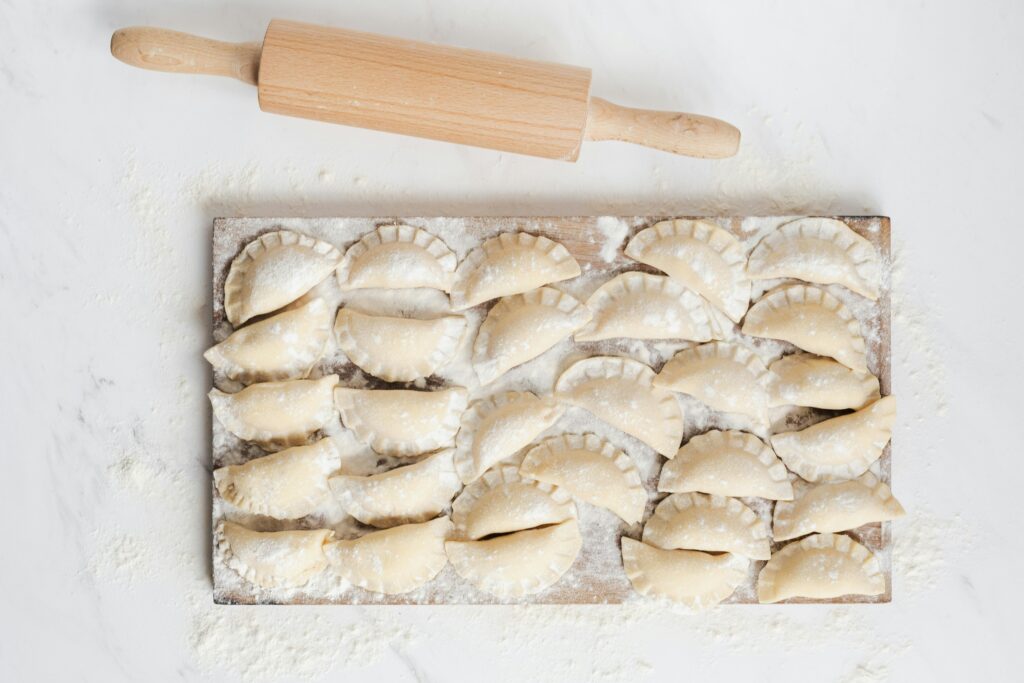
Modern Polish cuisine does not shy away from global inspiration. Instead, it uses it to highlight what makes Polish ingredients unique. You might find pierogi filled with Asian-inspired pork belly, or bigos served alongside Mediterranean polenta. The secret lies in balance. Chefs draw on global methods without losing the heart of Polish flavor.
Poland’s growing international community has also played a role. The rise of international students, digital nomads, and tourism has diversified palates. Polish chefs respond by offering menus that appeal to both locals and visitors while maintaining authenticity.
The Role of Sustainability and Localism
The new Polish food movement places strong emphasis on sustainability and local sourcing. Chefs collaborate with nearby farmers to ensure freshness and traceability. Urban gardens, artisanal bakeries, and micro-roasteries are now common in Polish cities.
Seasonal menus reduce waste, and traditional preservation methods such as pickling and fermenting have returned, not as old-fashioned habits but as sustainable practices. Restaurants proudly showcase their suppliers, turning each meal into a celebration of regional ecosystems.
This localism reflects a broader European trend, but in Poland it has deep roots. For centuries, Polish families relied on their gardens, forests, and fields for sustenance. Modern chefs are reviving that spirit with contemporary ethics.
Modern Polish Desserts and Pastry Innovation
Desserts play a special role in the Polish dining experience, and modern pastry chefs are pushing boundaries. Traditional treats like sernik (cheesecake), makowiec (poppy seed roll), and pączki (doughnuts) are being reinterpreted with precision and style.
Imagine a deconstructed sernik with vanilla bean foam and rye crumble, or a pączek infused with rose water and filled with salted caramel. Artisan patisseries in Warsaw and Kraków are transforming classic comfort sweets into high-end confections.
Cafés have become part of this renaissance as well. Specialty coffee culture pairs beautifully with Polish pastries, creating a thriving café scene that attracts locals and tourists alike.
The Vegan and Plant-Based Revolution
Poland, once a land of meat-heavy dishes, is now embracing plant-based cuisine. Vegan restaurants such as Krowarzywa in Warsaw or Vegab in Kraków have achieved cult status. Even traditional eateries are offering vegan versions of pierogi, gołąbki, and żurek.
Chefs use local grains like buckwheat and millet, seasonal vegetables, and foraged herbs to create satisfying plant-based meals. Fermentation and pickling techniques enhance flavor without animal products. This shift demonstrates that modern Polish cuisine is inclusive and forward-thinking, adapting to new dietary lifestyles without losing authenticity.
Polish Drinks and Pairings: Beyond Vodka
While vodka remains a symbol of Polish culture, the modern drinks scene has diversified dramatically. Craft breweries, natural wine bars, and artisanal distilleries are redefining Polish beverages.
Craft beer culture is thriving, with microbreweries producing innovative flavors using regional ingredients such as honey, herbs, and forest fruits. Mead, a traditional honey wine with medieval roots, has also made a comeback.
Polish winemaking, particularly in the south, is gaining recognition for its cool-climate wines. Sparkling wines from Lower Silesia and white wines from Małopolska are appearing on fine dining menus across Europe.
Restaurants now offer carefully curated drink pairings that match each course with local wines, craft beers, or infused vodkas flavored with herbs and fruits.
Polish Food Festivals and Culinary Tourism
Poland’s culinary revolution extends beyond restaurants. Food festivals across the country celebrate both tradition and innovation.
The Warsaw Food Expo highlights the best of Poland’s gastronomy, from fine dining to food trucks. The Pierogi Festival in Kraków remains a joyful tribute to Poland’s most beloved dish, while the Festival of Good Taste in Poznań brings together chefs, farmers, and artisans to showcase regional products.
Culinary tourism is thriving. Travelers can now explore Polish food trails, visit organic farms, and participate in cooking classes that teach both traditional recipes and modern techniques. This hands-on approach connects visitors to the essence of Polish hospitality and craftsmanship.
The Future of Polish Food
Modern Polish cuisine stands at an exciting crossroads. The generation of chefs leading today’s movement has established Poland as one of Europe’s most intriguing food destinations. Yet what makes it truly special is its authenticity. Polish food is not trying to imitate Paris or Copenhagen; it is rediscovering itself.
The next wave of culinary evolution will likely focus even more on sustainability, zero waste, and inclusivity. As younger chefs experiment with fermentation, heritage grains, and plant-based dishes, Poland’s kitchens will continue to innovate while preserving cultural memory.
At the same time, technology and digital media are giving Polish chefs global visibility. Social media platforms showcase beautifully plated dishes, while online cooking classes introduce Polish techniques to audiences around the world.
Modern Polish cuisine is therefore both a national pride and a global ambassador. It tells the story of a country that values resilience, creativity, and connection to the land.
Conclusion: A Taste of Modern Poland
Polish food today is a celebration of balance. It respects the past while looking toward the future. It honors simplicity while embracing sophistication. Whether you are savoring a reimagined pierogi in Warsaw, tasting smoked trout in the Tatra Mountains, or enjoying a vegan żurek in Kraków, you are experiencing a piece of Poland’s evolving identity.
Modern Polish cuisine reflects the heart of the nation itself—resourceful, imaginative, and rooted in tradition yet unafraid of change. It invites the world to sit at its table and discover that Polish food is not only about comfort and nostalgia but also about artistry, sustainability, and creativity.
The next time you visit Poland, bring an open mind and an empty stomach. You will find that every dish tells a story—one that began centuries ago and continues to unfold with every bite.
