
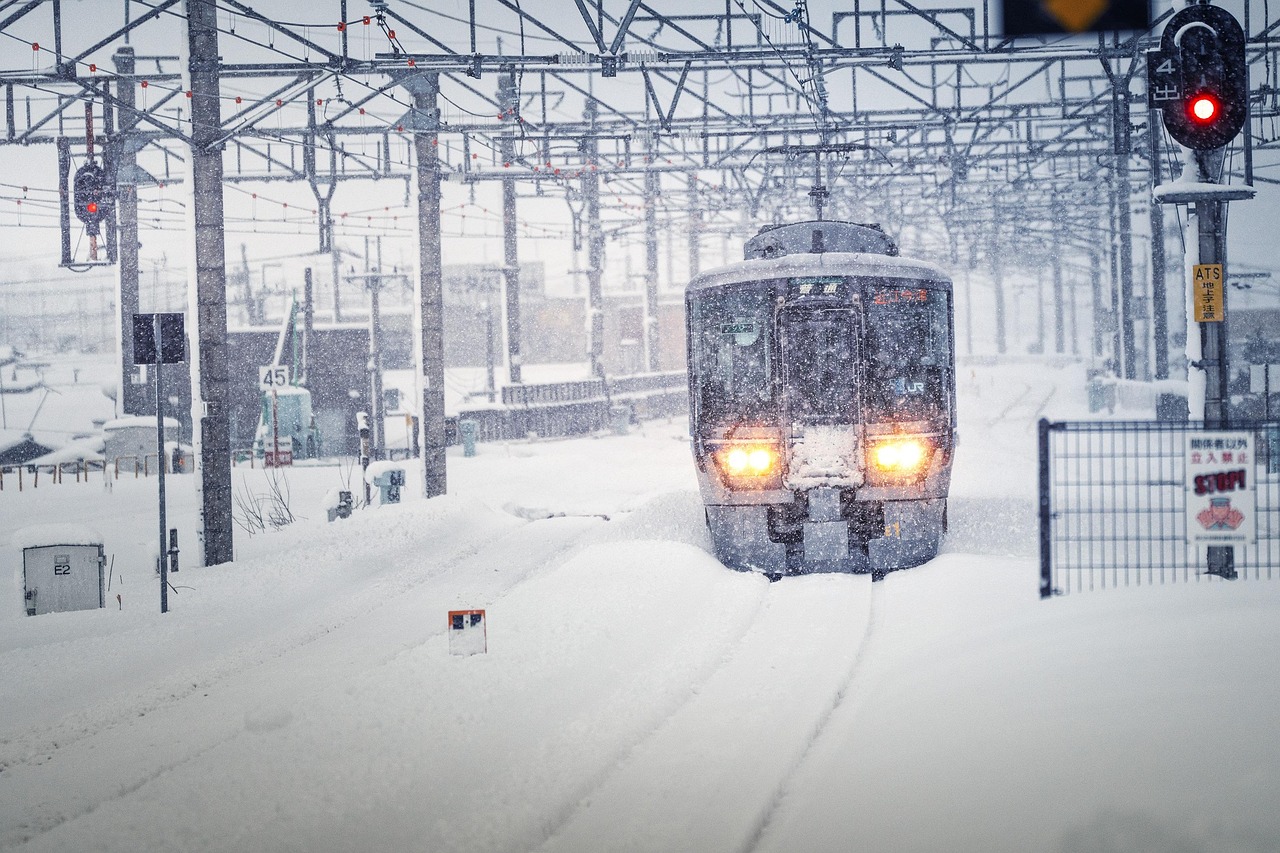
Winter in the Great Lakes region brings a beauty and a challenge that few other parts of the world experience. While snowfall is normal during the colder months, certain weather conditions can produce intense and highly localized snowstorms that develop quickly and affect specific geographic areas. These unique storms, produced by the interaction between cold air and the relatively warmer waters of large lakes, are known as lake effect snow events. When conditions are right for extreme snowfall, the National Weather Service issues a lake effect snow warning.
This comprehensive guide explores what a lake effect snow warning means, how lake effect snow forms, why it can be so dangerous, and how individuals, families, and communities can prepare. Whether you live in the Great Lakes region or simply want to understand this fascinating meteorological phenomenon, this article will give you a complete, clear, and friendly explanation.
What Is a Lake Effect Snow Warning
A lake effect snow warning is an advisory issued when heavy lake effect snow is expected in a specific area. The warning indicates that snowfall rates may become intense, visibility can drop rapidly, and travel conditions may deteriorate within minutes. These warnings help residents and travelers prepare for dangerous winter conditions that can develop quickly and impact daily life.
Unlike broader winter storm warnings, which cover large regions, a lake effect snow warning often targets relatively small, narrow zones. This is because lake effect snow bands can be extremely localized. One town may be buried under several feet of snow while another town less than ten miles away receives almost none. This unpredictability is one of the reasons the warning is taken very seriously by meteorologists and emergency officials.
How Lake Effect Snow Forms
Understanding the science behind lake effect snow can help explain why it is so powerful in certain regions. Lake effect snow forms when cold, dry air moves across a warmer lake surface. As the air passes over the lake, it collects moisture and heat. The warmed air rises, cools, and condenses, producing clouds and then heavy snow once the air reaches land.
Several key ingredients must work together to produce this phenomenon.
1. A Cold Air Mass
A strong outbreak of cold air is essential for lake effect snow. This air is often carried by north or northwest winds moving across the Great Lakes.
2. Warm Lake Water
Although lakes cool in winter, they remain warmer than the surrounding air for long periods. This temperature contrast helps fuel the rising motion needed for snow formation.
3. Sufficient Fetch
Fetch refers to the distance air travels across a lake. The longer the fetch, the more moisture the air can absorb. Lakes with long stretches of open water in the path of prevailing winds tend to create more intense snow bands.
4. Wind Alignment
The direction and alignment of winds shape the structure of snow bands. When winds line up in one direction for many hours or even days, a single, powerful snow band can form and remain stationary over one area.
5. Terrain Influence
In some regions, elevated terrain enhances snowfall by forcing air upward as it reaches land. This effect increases snow rates and accumulation totals.
These factors combine to create storms that often surprise visitors but are a familiar part of life in areas like western New York, northern Michigan, northwest Indiana, and Ohio.
Why Lake Effect Snow Is So Intense
Lake effect snow has a reputation for producing extraordinary snowfall totals in a short period of time. In some cases, snowfall rates exceed three inches per hour, creating near whiteout conditions. These storms can last several hours or even multiple days if weather patterns remain stable.
Several factors make lake effect snow especially intense.
Localized but Powerful Snow Bands
Unlike large scale winter storms that cover wide areas, lake effect snow forms in narrow bands. These bands can remain almost stationary and deliver continuous snowfall to the same location.
Moisture Rich Air
Lakes supply a steady stream of moisture, allowing clouds to produce heavy snow for extended periods.
Limited Visibility
Within a lake effect snow band, visibility can drop from clear to near zero in moments. This sudden change makes driving dangerous.
Deep Snow Accumulation
Storms can deposit several feet of snow on specific neighborhoods or towns. This level of accumulation can interrupt transportation, cause power outages, and strain emergency services.
Because of these impacts, the lake effect snow warning plays a crucial role in public safety.
How Meteorologists Forecast Lake Effect Snow
Forecasting lake effect snow is a complex process due to the storm’s localized behavior. Meteorologists rely on detailed atmospheric data, satellite imagery, radar technology, and computer models to predict the development of snow bands.
Analyzing Air Masses
Forecasters check incoming air temperatures, wind patterns, and humidity levels to determine whether conditions are favorable.
Monitoring Lake Temperatures
Warm lakes can produce more powerful snow bands. Temperature readings help predict intensity.
Tracking Wind Direction and Speed
Wind patterns determine the path of snow bands and which communities will be affected.
Using High Resolution Weather Models
Advanced weather models simulate how air interacts with lake surfaces. These models help pinpoint where snow bands may form, how long they may last, and how intense they may become.
Even with this technology, lake effect snow remains challenging to predict with absolute precision. This is why meteorologists use warnings to prepare people in areas that may experience hazardous conditions.
Categories of Lake Effect Alerts
The National Weather Service uses several alert categories depending on expected conditions.
Lake Effect Snow Advisory
Indicates moderate snowfall that may cause inconvenience but is not expected to create severe hazards.
Lake Effect Snow Warning
Issued when heavy snowfall is expected that will significantly impact travel and safety.
Winter Storm Warning
Used when a major weather system, rather than a lake effect event, produces widespread heavy snow.
Blizzard Warning
Issued when strong winds and falling or blowing snow create prolonged whiteout conditions.
Understanding the difference helps residents prepare appropriately for each situation.
What to Expect During a Lake Effect Snow Warning
A lake effect snow warning signals that severe winter conditions are imminent or already occurring. Conditions may include:
-
Rapidly accumulating snow
-
Snowfall rates of one to three inches per hour or more
-
Very limited visibility
-
Sudden weather changes
-
Strong winds creating blowing or drifting snow
-
Difficult or dangerous travel
-
Potential road closures
-
Heavy accumulation in narrow corridors
One village may be blanketed under two feet of snow while a neighboring town remains mostly unaffected. This sharp contrast is part of what makes lake effect snow so remarkable.
Impact on Travel and Daily Life
Daily routines can be severely disrupted during a lake effect snow warning. Drivers face some of the most significant risks.
Hazardous Road Conditions
Roads can quickly become snow covered and slippery. Even major highways can become impassable during intense snow bands.
Reduced Visibility
Whiteout conditions make it nearly impossible to see other vehicles, lane markings, or even the road itself.
Flight Delays and Cancellations
Airports in lake effect regions often experience disruptions during strong events.
School and Business Closures
Communities may temporarily shut down schools and businesses for safety reasons.
Strain on Emergency Services
Firefighters, first responders, and plow operators experience heavy workloads during these storms.
Residents often describe lake effect snow as unpredictable but manageable when proper precautions are taken.

How to Prepare for a Lake Effect Snow Warning
Preparation is essential when living in or traveling through lake effect snow regions. Simple steps can help keep families safe and comfortable.
1. Stay Informed
Monitor weather forecasts and follow official alerts from meteorological agencies. Local news channels, weather apps, and NOAA alerts provide timely updates.
2. Create a Winter Emergency Kit
A well stocked kit should include warm clothing, blankets, flashlights, extra batteries, water, non perishable food, a first aid kit, and necessary medications.
3. Prepare Your Vehicle
Keep your fuel tank at least half full in winter. Store items such as a shovel, ice scraper, jumper cables, sand or cat litter for traction, and an emergency blanket.
4. Plan for Power Outages
Heavy snow can affect power lines. Portable chargers and alternative heating sources help maintain comfort during outages.
5. Limit Travel When Possible
If officials advise against travel, it is wise to stay home until conditions improve.
6. Clear Snow Safely
Shoveling heavy snow can strain the body. Take frequent breaks and avoid overexertion.
Preparation reduces stress and ensures greater safety during extreme weather.
Lake Effect Snow and Community Resilience
Communities in lake effect regions are known for resilience and adaptability. Residents often develop strong winter traditions and learn from past events.
Snow Removal Operations
Cities invest in efficient plow fleets, salt trucks, and trained crews. These teams work long hours to maintain clear roads.
Community Support Networks
Neighbors frequently help one another with shoveling, transportation, or checking on vulnerable residents.
Winter Infrastructure Design
Buildings, vehicles, and public areas are designed to withstand heavy snowfall and cold temperatures.
Emergency Management
Local governments conduct preparedness training and public awareness campaigns to ensure residents know how to respond.
This spirit of cooperation helps communities thrive despite the challenges of winter weather.
Common Myths About Lake Effect Snow
Because lake effect snow can be dramatic and unpredictable, several myths have emerged. Clarifying these misconceptions helps improve understanding and safety.
Myth 1: Lake effect snow always affects the entire region
Lake effect snow is highly localized. Only communities under the snow band are affected.
Myth 2: It only happens early in winter
While most common in early and mid winter, lake effect snow can occur anytime cold air moves over warm water.
Myth 3: It is weaker than a typical winter storm
Lake effect snow can be far more intense than a widespread winter system.
Myth 4: Only major lakes produce the effect
Large lakes have the greatest impact, but smaller lakes can also generate localized snow bands.
Debunking myths helps people recognize the real dangers and respond appropriately.
Lake Effect Snow Regions in North America
Several areas in North America experience consistent lake effect snow events.
The Great Lakes Region
This is the most famous area for lake effect snow. Key hotspots include:
-
Western New York
-
Northern Michigan
-
Southern Ontario
-
Cleveland and northeast Ohio
-
Northwest Indiana
-
Northern Pennsylvania
Smaller Lake Regions
Lakes in the northeastern United States, such as Lake Champlain and various lakes in the Adirondacks, also produce localized snow events.
Understanding regional patterns helps residents anticipate seasonal conditions.
The Benefits of Lake Effect Snow
Although challenging, lake effect snow provides several environmental and recreational benefits.
Improved Water Supply
Snow melt contributes to rivers, reservoirs, and groundwater.
Enriched Soil Moisture
Moisture from snow supports agricultural and forest health.
Winter Recreation
Snow sports such as skiing, snowboarding, and snowmobiling thrive in lake effect regions.
Tourism Boost
Visitors often travel to areas known for winter landscapes and outdoor activities.
These advantages highlight the value of lake effect snow beyond its hazards.
Final Thoughts: Staying Safe and Aware During a Lake Effect Snow Warning
A lake effect snow warning is not something to take lightly. It signals that heavy, localized snowfall is expected and that conditions can deteriorate quickly. Understanding how lake effect snow forms and knowing how to prepare helps keep individuals, families, and communities safe.
This unique weather pattern is part of the natural rhythm of life in the Great Lakes region and surrounding areas. Although intense and at times unpredictable, it is also a fascinating example of how nature transforms the landscape each winter. With awareness, preparation, and a respectful understanding of the power of winter weather, residents can navigate lake effect snow events with confidence.
