
When you hear the words root canal, you may not immediately think of comfort or convenience. Many people picture a long, complicated dental procedure. The truth is far more reassuring. Thanks to modern techniques, improved anesthesia, and advanced technology, a root canal is often smooth, efficient, and far less time consuming than most people imagine. One of the most common questions patients ask is simple. How long does a root canal take?
The answer depends on several factors, including the tooth involved, the complexity of the infection, and whether one or more appointments are required. To help you approach the experience with confidence, this detailed guide explains every factor that influences the timing. It also helps you understand exactly what happens during the procedure, how to prepare, and what to expect afterward.
What Is a Root Canal and Why Is It Needed
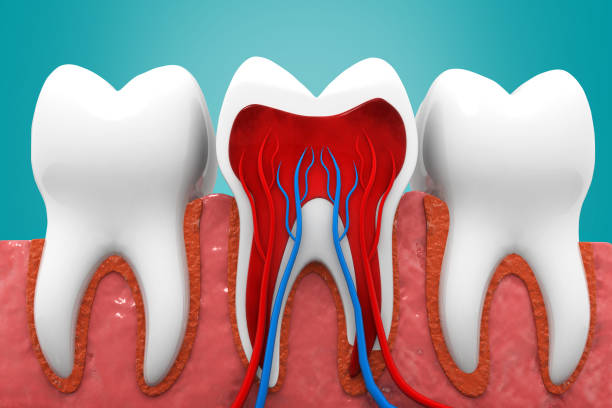
A root canal is a dental treatment used to remove infected or inflamed pulp tissue from inside a tooth. The goal is to relieve pain, stop the spread of infection, and save the natural tooth structure. Inside each tooth is a hollow space that contains nerves, connective tissue, and blood vessels. When bacteria invade this space due to decay, fractures, or deep cavities, the tissue becomes infected and cannot heal on its own.
A root canal eliminates the infection and preserves the tooth so it can continue functioning normally. Thanks to modern dentistry, the procedure is usually comfortable and efficient.
So How Long Does a Root Canal Take
For most patients, a root canal takes between 30 and 90 minutes. Some procedures require a single appointment, while others may need two visits. Several key factors influence the duration.
Below is a detailed breakdown of how long you can expect the procedure to take depending on the situation.
Factors That Affect the Length of a Root Canal
Several elements determine the total amount of time your appointment will require.
1. The Type of Tooth
Not all teeth are the same. Some have one root, while others have three or more.
-
Front teeth (incisors and canines)
Usually have a single root canal. Treatment typically takes 30 to 60 minutes. -
Premolars
Often have one or two canals. These procedures take around 45 to 75 minutes. -
Molars
Molars located at the back of the mouth usually have three or four canals. They are more complex and often require 60 to 90 minutes or occasionally two visits.
Teeth with more roots require more time because each canal must be cleaned, disinfected, and sealed carefully.
2. The Severity of the Infection
A tooth with deep infection or complex anatomy may require additional cleaning and irrigation. The dentist may also place medication inside the tooth to allow infection to clear before completing the root canal at a second visit.
3. Whether You Visit a General Dentist or an Endodontist
Endodontists are specialists who perform root canals every day. They often complete the procedure faster due to advanced equipment, such as high powered microscopes, and specialized training.
4. Tooth Anatomy
Some teeth have curved or narrow canals. Others may have extra branches that require careful navigation. Complex anatomy increases the time needed for precision.
5. Follow Up Procedures
If the tooth needs a crown after the root canal, an additional appointment may be required for crown preparation and placement. The root canal itself, however, is usually finished in one or two visits.
Step by Step: What Happens During a Root Canal Appointment
Understanding the process helps eliminate fear and sets realistic expectations for the length of the procedure. Here is how a typical root canal unfolds.
1. Consultation and X Rays
The dentist begins with digital X rays to identify the location and extent of the infection. This step provides a map of the tooth’s internal structure. It usually takes around 10 minutes.
2. Local Anesthesia
Your dentist numbs the area with local anesthetic. This ensures you remain comfortable throughout the treatment. Numbing takes 5 to 10 minutes.
3. Accessing the Pulp
A small opening is made in the top of the tooth to reach the infected pulp. This step takes only a few minutes.
4. Cleaning the Canals
The dentist carefully removes the infected tissue and shapes each canal using tiny instruments. They also flush the tooth with disinfectant solutions to eliminate bacteria. This is the most time consuming part of the procedure and may take 20 to 60 minutes depending on the tooth.
5. Filling and Sealing the Tooth
Once the canals are clean, the dentist fills them with a biocompatible material that seals the space and prevents future infection. A temporary or permanent filling is placed on top. This step takes about 10 to 20 minutes.
6. Post Treatment Instructions
Before you leave, your dentist explains how to care for your tooth and what symptoms are normal during recovery.

One Visit vs Two Visit Root Canals
Many root canals are completed in a single appointment. However, there are situations where two visits offer better long term results.
Single Visit Root Canal
A single visit is usually appropriate when:
-
The infection is mild
-
The tooth has simple anatomy
-
The canals are easy to clean
-
You visit an endodontist
-
The tooth does not require medication between appointments
Most healthy adults can have a root canal finished in one efficient appointment.
Two Visit Root Canal
A second visit may be necessary if:
-
The infection is severe
-
There is significant swelling
-
The canals are curved or extremely narrow
-
You have more complex tooth anatomy
-
The dentist places medication inside the tooth to fully eliminate bacteria
In these cases, the first visit focuses on cleaning and disinfection. The second visit completes the sealing and restoration. Each visit usually lasts between 30 and 60 minutes.

Does a Root Canal Take Longer If You Are in Pain
If you arrive with severe tooth pain or swelling, your dentist may need additional time to numb the area. In rare cases, inflammation makes the tooth more resistant to anesthetic, so numbing can take a bit longer.
Even when this happens, your dentist will not begin until you are completely comfortable. This extra time ensures a pain free experience and a smooth procedure.
How Long Does a Root Canal Take Compared to Other Dental Procedures
To understand the timing better, it helps to compare root canals with other treatments.
-
Regular filling
20 to 40 minutes -
Root canal on a front tooth
30 to 60 minutes -
Root canal on a molar
60 to 90 minutes -
Tooth extraction
20 to 40 minutes (plus recovery time) -
Crown placement
Separate appointment after the root canal
Seeing these comparisons helps you understand that a root canal is not significantly longer than many other common dental procedures.
How Long Does It Take to Recover From a Root Canal
Recovery is usually quick. Most patients return to normal activities within a few hours. Mild soreness is common for the first day or two. Over the counter pain relievers such as ibuprofen typically manage any discomfort.
Typical Recovery Timeline
-
First 24 hours
Mild tenderness or sensitivity -
48 to 72 hours
Soreness improves significantly -
One week
Tooth feels normal for most patients
If your tooth requires a crown, your final appointment will take place after your dentist ensures the root canal has healed well.
How to Make Your Root Canal Appointment Faster and More Comfortable
A few simple steps help promote a smoother experience.
1. Provide Complete Health Information
Let your dentist know about medications, allergies, or medical conditions. This helps them choose the safest and most effective anesthetic.
2. Address Anxiety Early
If you feel nervous, ask about calming techniques or sedation options. Many patients feel more at ease when they understand every step of the procedure.
3. Avoid Arriving on an Empty Stomach
Having a light meal beforehand helps maintain comfort, unless your dentist instructs otherwise.
4. Follow All Pre Treatment Instructions
If antibiotics are prescribed before the root canal, take them exactly as directed.
5. Arrive a Few Minutes Early
A relaxed arrival sets a calm tone for the entire appointment.
What to Expect After the Root Canal Is Complete
Once your root canal is finished, your dentist will place either a temporary or permanent filling.
Temporary Filling
If you need a crown, you will receive a temporary filling that protects the tooth until your next appointment. Avoid chewing hard or sticky foods on that side.
Permanent Filling or Crown
Molars and premolars often need a crown for added strength. Front teeth may be restored with a strong filling instead.
A crown usually requires a separate appointment to take impressions and fit the permanent restoration.

Common Questions About How Long a Root Canal Takes
Is a root canal faster if it is not infected
Yes. Teeth without severe infection typically require less cleaning and can be completed more quickly.
Do root canals on molars always require two visits
Not always. Many molar root canals are completed in a single appointment, especially by endodontists.
Does nitrous oxide or oral sedation add time
Minimal sedation adds only a few minutes. Deeper sedation may extend the appointment slightly due to monitoring requirements.
How long does the numbing last afterward
Most patients remain numb for about two to four hours depending on the anesthetic used.
Why Understanding the Timing Matters
Knowing how long a root canal takes gives you peace of mind. Many patients delay treatment because they imagine a long procedure. In reality, root canals are efficient, comfortable, and designed to save your natural tooth. Understanding the timing also helps you:
-
Plan your day around the appointment
-
Reduce anxiety
-
Arrange transportation if needed
-
Prepare for follow up care
Once you know what to expect, the procedure feels much more manageable.
Final Thoughts
A root canal typically takes between 30 and 90 minutes depending on the tooth and complexity of the case. While molars require more time and may occasionally need two visits, many root canals are completed in a single smooth appointment. Modern dentistry has made the procedure efficient, comfortable, and highly reliable. If you are experiencing pain, sensitivity, or signs of infection, a timely root canal can relieve discomfort and preserve your natural tooth for many years.
