

Introduction
Few bands in rock history combine myth, innovation and catalogue quite like Pink Floyd. Over decades their music pushed boundaries, concept albums became immersive experiences, and the name itself became iconic. Central to that story are the musicians who comprised the band — the lineup changes, the creative tensions and the enduring contributions. In this article we explore the key members of Pink Floyd, examining who they were, what they contributed and how they shaped the band’s legacy. We’ll also look at how the membership evolved, and why that evolution matters for understanding the band’s music.
Origins and Early Line-up
Foundation
Pink Floyd formed in the mid-1960s in England. According to encyclopedic sources, the band took shape with the following original core: Syd Barrett (vocals, guitar), Roger Waters (bass, vocals), Richard Wright (keyboards, vocals) and Nick Mason (drums, percussion).
A lesser-known early member, Bob Klose, is sometimes cited among the earliest line-ups though he left before the band’s major recordings.
That early era was marked by psychedelic experimentation and underground success.
Syd Barrett
Let’s begin with Syd Barrett, the eccentric, imaginative founding spirit of the band.

Key points:
-
Barrett (born Roger Keith Barrett) served as the early frontman and primary songwriter in the psychedelic phase. Encyclopedia Britannica+1
-
His songwriting was quirky, whimsical, rooted in surreal imagery and the British underground scene.
-
His mental health issues and erratic behaviour led to his departure around 1968, opening the way for the band’s next phase. Encyclopedia Britannica+1
Barrett’s role is often seen as a catalyst: the early identity of Pink Floyd was tied to his creative vision. The shift after his departure marked a turning point into more structured concept-album territory.
The Core Classic Line-up
Roger Waters
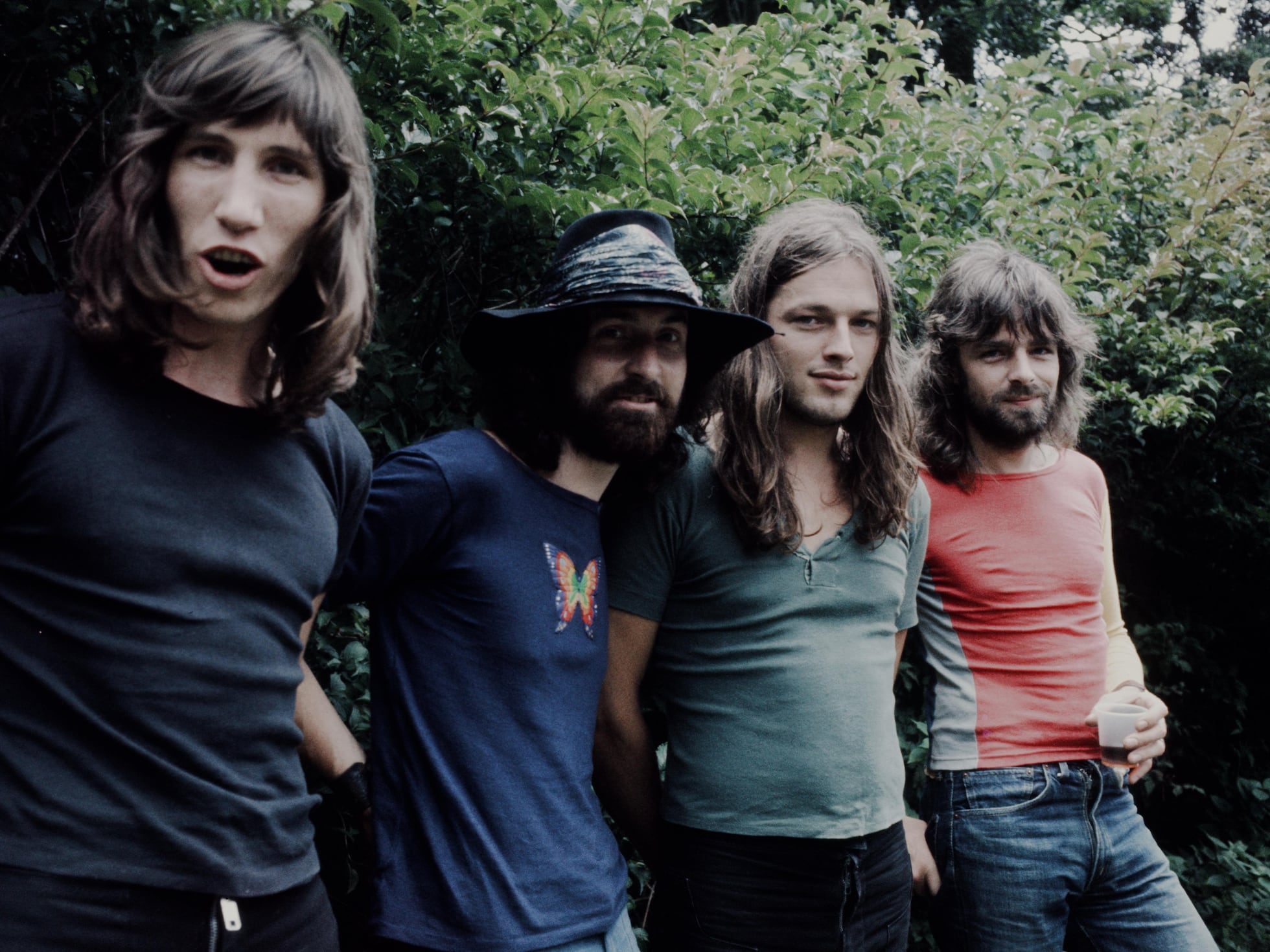

Roger Waters plays a critical role in the Pink Floyd story:
-
He co-founded the band in 1965. Encyclopedia Britannica+1
-
After Barrett’s departure, Waters became increasingly central: lyricist, conceptual driver, bass player and vocalist. Encyclopedia Britannica+1
-
Albums like The Dark Side of the Moon, Wish You Were Here, Animals and The Wall are strongly identified with his vision. Encyclopedia Britannica+1
-
Waters left the band in 1985 amid creative and personal tensions. Encyclopedia Britannica+1
His leadership years define much of what many fans regard as the “classic era” of Pink Floyd.
David Gilmour

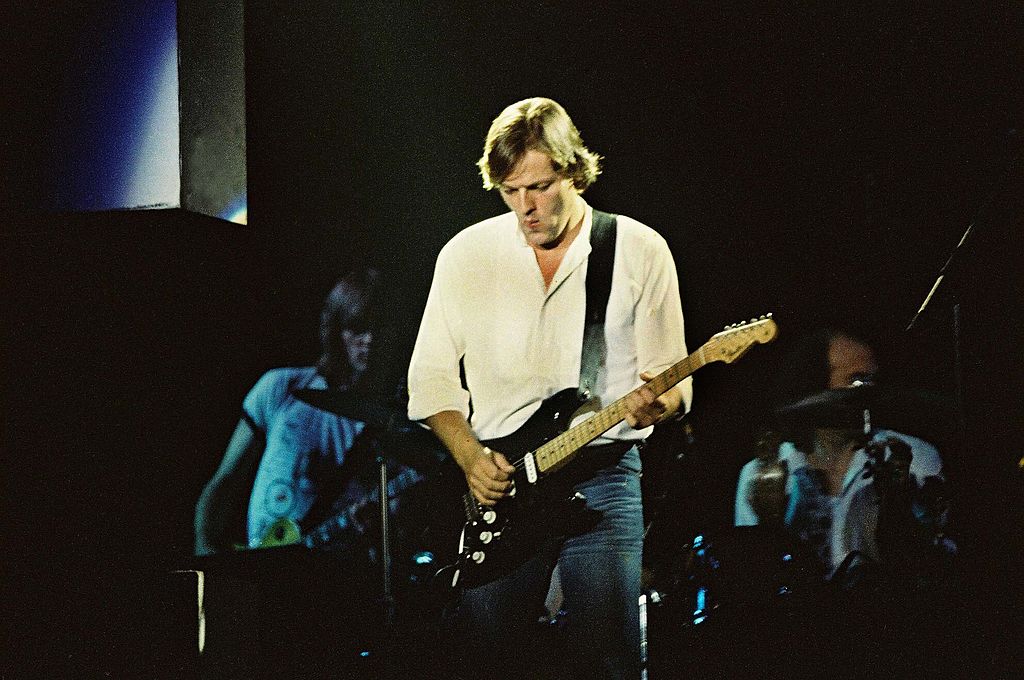
David Gilmour joined Pink Floyd in 1967, just before Barrett’s exit.
-
Lead and rhythm guitar, vocals, songwriting. Encyclopedia Britannica
-
Gilmour’s playing and voice became central to the band’s sound during the later era, especially once Waters left.
-
He took a leadership role post-1985, helping continue the band as a trio.
Gilmour bridged eras: from late-’60s psychedelic to the more polished, expansive progressive rock of the ’70s and beyond.
Richard Wright


Richard Wright (often credited as Rick Wright) provided the atmospheric keyboard textures and vocal harmonies that gave Pink Floyd much of its distinctive mood.
His role:
-
Co-founder of the band; his melodic sensibility helped define the ambient, space-rock side of their sound.
-
He remained with the band through multiple phases, though at times his role was diminished or he left temporarily (notably departing as a full member in 1981 before rejoining).
Wright’s contributions speak to the “sound architecture” of Pink Floyd — the layers of keyboard and organ that envelop many of their classic tracks.
Nick Mason


Nick Mason is the one constant.
-
As drummer and percussionist, he has appeared on every Pink Floyd studio album.
-
Mason’s rhythmic approach, combined with his openness to experimental sound-design, helped anchor the band’s evolving musical identity.
-
He remains an enduring voice of the band’s legacy and often provides behind-the-scenes commentary and interviews.
Mason’s stability gave continuity even as other members came and went or creative tensions rose.
Membership Timeline & Evolution
To fully appreciate Pink Floyd’s membership, it helps to map out how the line-up shifted and why those shifts mattered.
Early years and Syd’s exit
Barrett’s departure in 1968 ushered in major changes. While he was the spark of the early band, his exit forced Waters, Gilmour and Wright to take more creative responsibility. The band’s sound became more expansive and thematic. Encyclopedia Britannica+1
Rise of the concept albums
As the 1970s progressed, Waters’s conceptual vision took greater prominence, culminating in albums such as The Dark Side of the Moon, Wish You Were Here and Animals. The full line-up of Waters, Gilmour, Wright and Mason is often regarded as the “classic quartet”. Rock Music Universe
Internal tensions & departures
Creative tensions, personality clashes and management issues increasingly marked the late ’70s and early ’80s era. Wright’s role was diminished and he left as a full member in 1981, though he returned later. Waters left the band entirely in 1985. Legal disputes followed over the right to use the band’s name. Encyclopedia Britannica+1
Post-Waters era
After Waters’s departure, Pink Floyd continued under Gilmour, Mason and Wright. They released major albums like A Momentary Lapse of Reason (1987), The Division Bell (1994) and The Endless River (2014). Encyclopedia Britannica+1
Thus the membership change did not end the band, but it shifted its creative centre.
Legacy and current status
While the band is not currently active in the original sense, the legacy of these members remains vital. Nick Mason continues to perform material from Pink Floyd’s early years; Gilmour remains musically active; Wright passed away in 2008; Waters remains influential as a solo artist though not fully reconciled with the band’s other members. Wikipedia+2Wikipedia+2
Understanding who the members were helps make sense of the music, the evolution and the enduring power of Pink Floyd.
Member Profiles in Depth
Syd Barrett
Though his time with the band was short, Barrett’s influence remains outsized. His whimsical, imaginative lyrics and guitar work defined much of the early psychedelic era. After his departure, the band’s sound matured, but his spirit remained in the DNA of Pink Floyd’s willingness to push boundaries.
Roger Waters
Waters’s conceptual ambition reshaped Pink Floyd. He introduced narrative arcs, thematic cohesion and a psychological depth to albums. His bass playing, vocals and lyrics combined to create works that transcended rock albums and entered cultural-phenomenon territory. His departure forced the band to redefine itself.
David Gilmour
Gilmour’s guitar solos, tone and expressive vocal delivery became essential to Pink Floyd. He was not just a technical virtuoso, but a musician attuned to the emotional dimension of rock. His leadership after Waters’s departure helped the band continue to create major works, and his presence is integral to the band’s lasting appeal.
Richard Wright
While sometimes overshadowed by the more dramatic personalities in the band, Wright’s contribution is profound. The sonic textures he provided helped define the “space” in which Pink Floyd’s music existed. His ambient keyboards, organ colours and vocal harmonies gave many tracks their memorable mood.
Nick Mason
Mason’s role as drummer and percussionist was far more than simply “keeping time”. He embraced experimental sound, tape loops, unconventional rhythms and was comfortable with the band’s ambitious live production. His constant presence across every studio album makes him a backbone of the band’s history.
Why the Members Matter for the Music
When you listen to Pink Floyd, the interplay between its members is audible. Here are key ways the membership shaped their music:
Creative Balance
Barrett’s early psych-style, Waters’s concept focus, Gilmour’s guitar and vocals, Wright’s mood-setting keyboards, and Mason’s rhythmic adventurousness all combined to produce music that is layered and multifaceted. The interplay of distinct voices created a band greater than the sum of its parts.
Evolution from Psychedelia to Progressive Rock
The shift from Barrett’s whimsical psychedelia to Waters’s dark concept albums is mirrored in the membership change. That evolution is one of the most compelling parts of Pink Floyd’s story and it matters because the music changed, matured and still retained emotional power.
Live Performance and Studio Innovation
Members like Mason and Wright embraced experimentation in the studio; Gilmour and Waters pushed live production boundaries; Barrett’s early performances set a tone of creative freedom. Understanding the individual contributions of each band member enriches the listening experience.
Legacy and Identity
Membership matters for legacy: which albums were made by which line-up, how the band defined itself. Fans often refer to the “waters era”, “post-waters era”, or “barrett era”. Knowing who was in the band when helps contextualise the music and its significance.
Membership Summary Table
Here is a handy summary of the major members and their basic details:
| Member | Role | Years in Pink Floyd |
|---|---|---|
| Syd Barrett | Vocals, guitar, songwriter | 1965–1968 |
| Bob Klose | Early guitarist | ~1965–1966 |
| Roger Waters | Bass, vocals, lyricist | 1965–1985 |
| Richard Wright | Keyboards, vocals | 1965–1979, rejoined later |
| Nick Mason | Drums, percussion | 1965–present (all studio albums) |
| David Gilmour | Guitar, vocals | 1967–present |
Note: “Present” reflects that Mason and Gilmour remain associated with the band’s legacy; the band is not currently active in its original form though occasional performances and releases continue.
Member Dynamics, Tensions & Departures
An understanding of who left and why is as important as knowing who stayed.
-
Barrett’s departure signalled a creative shift from psychedelia to more ambitious thematic work.
-
Wright’s marginalisation and eventual separation in the early 1980s reflect growing tensions.
-
Waters’s exit in 1985 and his subsequent solo career changed the structure of Pink Floyd entirely. From that point the band continued under Gilmour and Mason with Wright’s participation.
-
Legal battles over the use of the name “Pink Floyd” and the band’s brand followed Waters’s exit. Encyclopedia Britannica
These tensions are part of the story of the band. The membership changes weren’t just administrative—they were creative, personal and musical.
Why Knowing the Members Helps You Appreciate the Music
When listening to albums like The Dark Side of the Moon, Wish You Were Here, Animals or The Division Bell, knowing who played what, when they played it, and what role they assumed helps deepen the experience. For example:
-
Listening to the guitar solo on “Comfortably Numb” knowing Gilmour’s style.
-
Hearing the orchestration of “Time” and recognising Wright’s keyboards and thematic influence.
-
Understanding the lyrical direction, concept albums and narrative arcs that Waters spearheaded.
-
Appreciating the drumming nuances, sound effects and structural rhythm that Mason brought.
-
Recognising that the spirit of Barrett’s earlywork still echoes in the band’s willingness to experiment.
In short: the band’s output is intertwined with the personalities, skills and contributions of its members.
The Legacy of the Members Beyond Pink Floyd
Each member had a life beyond the band: solo albums, new collaborations, continuing influence. For example:
-
Roger Waters has produced numerous solo albums, theatrical productions and active political commentary. Encyclopedia Britannica
-
David Gilmour has released successful solo albums, remains a revered guitarist and continues performing. Encyclopedia Britannica
-
Nick Mason has explored his own musical projects and remains a steward of the band’s history. Wikipedia
-
Richard Wright sadly passed away in 2008, but his contributions remain central to the band’s sound. Wikipedia
-
Syd Barrett passed in 2006 but his legacy lives on in the earliest Pink Floyd records and in the many musicians he influenced.
Understanding the members gives insight into the broader world of progressive rock, and shows how Pink Floyd’s legacy is carried forward in many directions.
Conclusion
The story of Pink Floyd is inseparable from the story of its members. From Syd Barrett’s whimsical beginnings, through Roger Waters’s conceptual mastery, David Gilmour’s emotional guitar work, Richard Wright’s ethereal keyboards and Nick Mason’s rhythmic anchor — each member played a distinct and vital role.
The evolution of membership reflects the evolution of the band: from psychedelic experimenters to stadium-filling concept-album giants. Knowing who the members were, when they served, and how they contributed helps us better understand the music, the albums, the live shows, and the legacy.
So whether you’re just discovering Pink Floyd or have been exploring their music for decades, grounding yourself in the band’s membership adds a rich layer of meaning.
And when you next listen to “Echoes”, “Time”, “Shine On You Crazy Diamond” or “The Great Gig in the Sky”, you’re not just hearing songs—you’re hearing the collaborative imprint of a band whose members left a musical imprint few others have matched.
